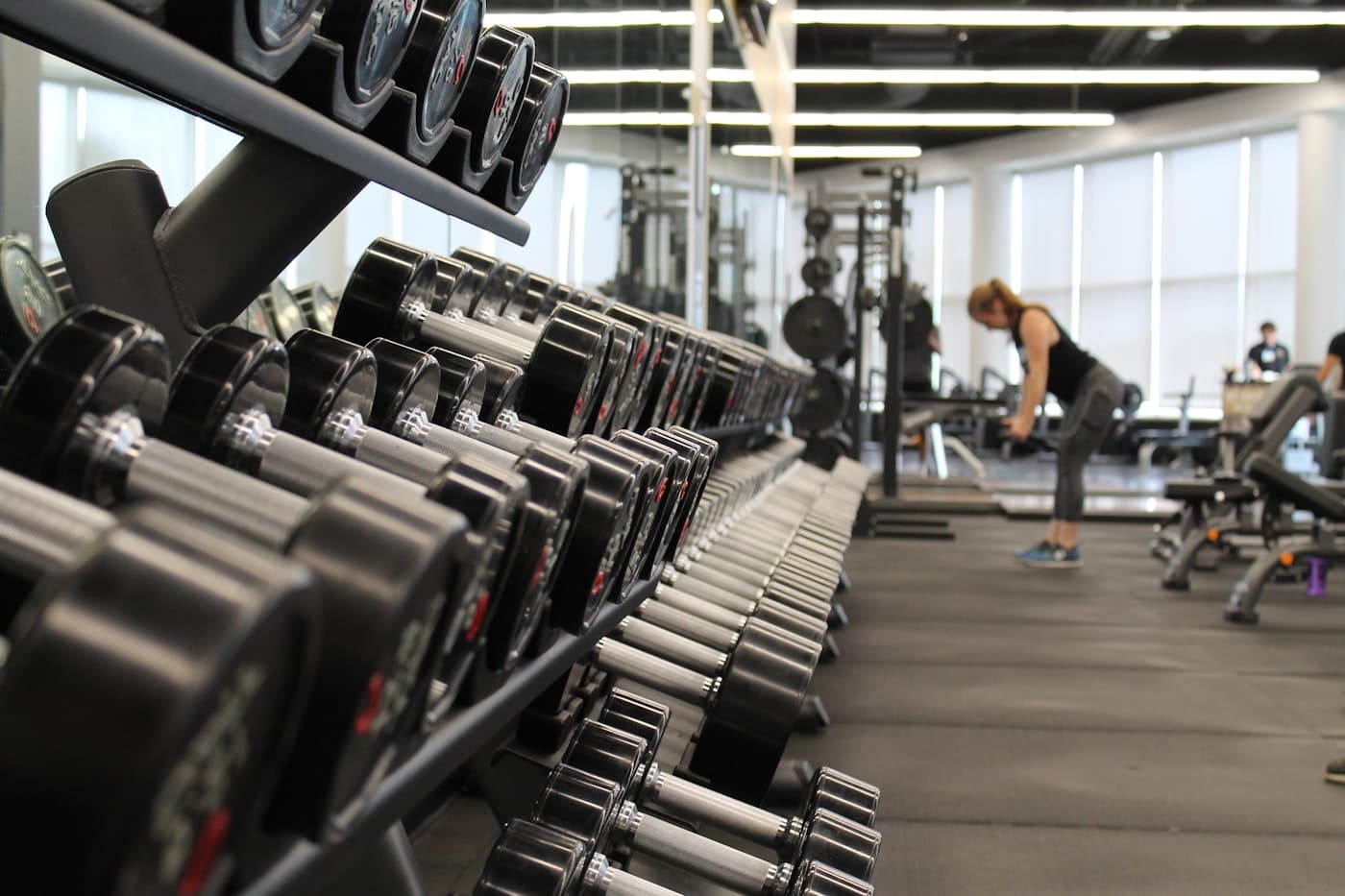
Complicated programs look impressive on paper. In real life, the routine you can repeat for months usually wins. A simple full body approach works well for busy people because each session trains the major patterns, and missing one day does not leave a whole muscle group untouched for a week.
The goal is not to do every machine in the gym. The goal is to cover squat or hinge, push, pull, and a little accessory work, then leave with enough energy to come back again.
Choose movements, not trends
A sturdy full body day can look like this: one squat pattern, one hinge, one horizontal or vertical push, one pull, plus one or two accessories for arms, calves, or core. That is enough to create a training stimulus without turning the session into a marathon.
- Squat pattern: goblet squat, leg press, or back squat.
- Hinge: Romanian deadlift, hip thrust, or cable pull-through.
- Push: bench press, push-ups, or overhead press.
- Pull: rows, pulldowns, or assisted pull-ups.
Keep the main lifts similar for several weeks so you can track progress. Rotate accessories more freely if you want variety. Consistency on the big patterns is what builds strength you can measure.
Two or three days is enough to start
Train full body two or three times per week with at least one rest day between hard sessions. If you are newer to lifting, two days can already create clear progress. If you recover well and enjoy training, three days often feels like the sweet spot.
Use the same template across the week, then change the loads based on your log. Monday does not need a brand new workout just because it is Monday. Small progression on familiar lifts beats constant novelty.
Leave room to finish strong
A routine sticks when sessions end while you still feel capable. Cap most work sets before form collapses. End with a short note in your log: what moved up, what felt off, and what you want next time. That closing habit makes the next visit easier to start.
If life gets busy, shrink the session instead of skipping it. Do the four main patterns and go home. A shorter completed workout protects the streak better than an ambitious plan you abandon halfway through.
Simple training is not lesser training. It is training designed to survive real weeks, real fatigue, and real schedules. That is usually where results come from.